Eye health
Healthy eyes help support a healthy body
You may know that eating healthy and exercising often is good for your health. But did you know that it may also be good for your eyes? For example, the omega-3 acids in healthy foods like salmon and tuna, along with vitamins found in dark, leafy greens like spinach, are great for eye health.1 There are other ways you might protect and preserve your eyesight as you age.
It is possible to keep your eyes healthy at every stage of life. To schedule a screening or eye exam — which may often be covered by vision insurance — contact your vision care provider or find a doctor.
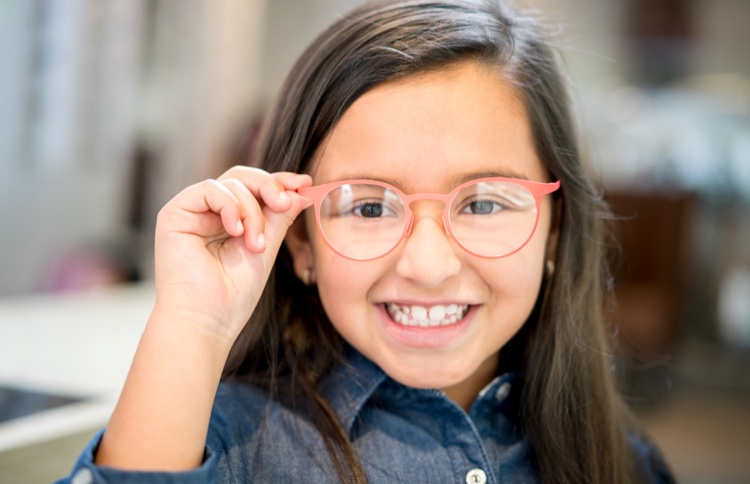
Ways to help protect your vision
- Turn off electronic devices before bed. Bedrooms should be “screen-free” zones for kids.2
- Take care of the surfaces of your eyes. Your eyes might feel tired after staring at a screen because you aren’t blinking enough. Take a break and rest your eyes. Follow the 20-20-20 rule: Take a 20 second break every 20 minutes and look at something 20 feet away.3
- If you smoke, consider quitting. Smoking increases the risk of serious eye problems.4 Quit For Life® has helped 5.9 million members successfully quit smoking, e-cigarettes, vaping, nicotine and tobacco. It may also help you quit.
- Wear sunglasses and wide-brimmed hats that block ultraviolet (UV) radiation when exposed to sunlight — in summer and in winter.
- Don’t sleep in your contacts. This may lead to an eye infection.
- Adjust the lighting to your task, including the brightness on your computer screen and the light when you’re reading.
- Throw away eye makeup after 3 months to help prevent infection-causing bacteria buildup.5
- Consider eye protection for computer light, like eyeglasses or contact lenses that might be designed for computer work. Special blue-light computer reading glasses are made with an anti-reflective coating to reduce glare, and a tint to increase contrast.
- Wear protective eyewear when playing sports that involve a ball or racket. Children should also protect their eyes when playing with toys like air guns or bows and arrows.6
- Wear safety glasses when using power tools for grinding metal or cutting wood. These glasses may protect your eyes from harmful particles that could cause long-term damage.
- Eat foods rich in nutrients like vitamin A, vitamin C, vitamin E and zinc. Orange-colored vegetables and fruits, leafy green vegetables, beans and healthy fats all have nutrients to support eye health.7
Need to schedule an eye exam?
If you notice changes in your vision, or if it’s been a while since you had your eyes checked, you may want to consider scheduling an appointment for a comprehensive, dilated eye exam.
When should children have their eyes examined?
Children should be screened for eye problems at regular intervals between birth, 6–12 months, 1–3 years and 3–5 years. Vision screening is a short version of an eye exam. Vision may be screened by a pediatrician, family physician or other health care provider. If a child needs further care, they should be referred to an ophthalmologist.8
What are common vision problems in children?
Some vision problems that may start in early childhood can be treated when they are found. These problems include amblyopia, where one eye is weaker than the other. This problem may cause vision problems for a long time if left untreated. Other common pediatric eye issues may include:9, 10
- Amblyopia — vision in an eye that did not develop normally, also called “lazy eye”
- Blocked tear duct — can cause watery, irritated or infected eyes
- Blurred vision — caused by astigmatism, hyperopia (farsightedness) or myopia (nearsightedness)
- Cataracts — when the normally clear lens inside the eye gets cloudy
- Cellulitis — an infection of the eyelid or the eye socket that causes painful swelling
- Conjunctivitis (pink eye) — a common eye infection that causes swelling and redness within the eyelid and white part of the eye
- Ptosis — a droopy eyelid that can block vision
- Strabismus — crossed eyes
If your pediatrician or family doctor thinks there may be an issue, your child may be referred to a pediatric eye doctor. Many vision problems in kids can be treated if they are caught early.10
What are common vision problems in adults?
If you don’t have vision problems or risk factors, see an eye doctor for a first full eye check at age 40, even if your eyes seem fine. This is important because eye issues and changes often start around this age.11
This first checkup gives your doctor a starting point to track your eye health. Later exams can show how your eyes change over time.
Myopia is also known as nearsightedness. This happens when the eyeball is too long or the cornea (the clear lens that covers the front of the eye) is too curved. As a result, the light entering the eye doesn't focus correctly. This causes distant objects to look blurred. It may be inherited or caused by use, such as too much screen time.12
Dry eye is a common and typically chronic problem. Tears help prevent eye infection by washing away debris and keeping the eye’s surface clear. They drain through small ducts into the back of the nose. Dry eye can happen when tear production and drainage aren’t in balance.13
Floaters or spots are small, semi-clear or cloudy particles inside the eye. The spots can look different in shape and size. The particles are floating in the fluid that fills the inside of the eye. They are rarely a serious problem and typically don’t impact vision.14
Double vision is seeing 2 images of a single object. The images often overlap. This may be associated with eye injury, cataracts, migraine or other eye conditions.15
What are common vision problems in older adults?
Getting older may not mean that you’ll lose your vision. Most common conditions in older adults can be treated, delayed or reversed if your eye doctor identifies the problem early in its development. Glaucoma, macular degeneration and cataracts are the most common eye diseases in people age 65 and older.16 It’s important to have regular screenings for these diseases.

Cataracts
Nearly half of all Americans 80 or over have cataracts or had cataract surgery. Cataracts are a normal part of aging caused by a breakdown in the proteins on the lens of your eyes. It may cause blurry vision, halos around lights, double vision or make it harder to see at night. During cataract surgery, doctors take out the cloudy part of the lens and replace it with an artificial lens. This helps approximately 9 out of 10 people see better afterward.17

Glaucoma
Glaucoma is the name for a group of eye disorders. It can lead to progressive damage to the optic nerve. This can cause vision loss. The most common form of glaucoma is caused by increased fluid pressure inside the eye.18

Macular degeneration
It's estimated that 20 million Americans age 60 and older are affected by age-related macular degeneration. It happens when the macula, the main part of the retina, deteriorates. The macula captures information from the center of our vision. There is no cure for macular degeneration, but early detection and treatment may slow the progression of vision loss.19
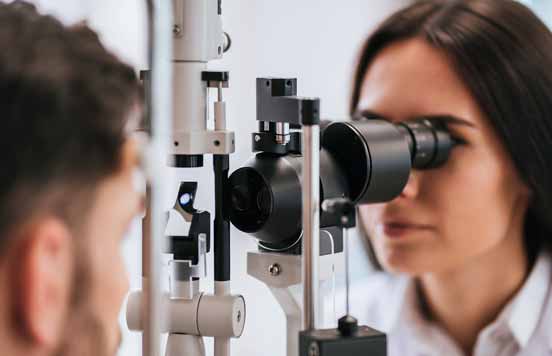
Diabetic retinopathy
Diabetic retinopathy is an eye problem that can lead to vision loss or blindness in people with diabetes. It happens when blood vessels in the back of your eye are damaged.20
If you have diabetes, get a full eye exam every year. You might not notice any signs at first, but finding it early can help protect your sight. Staying active, eating healthy and taking your medicine can help prevent or slow vision loss from diabetic retinopathy.20
What kind of symptoms mean I should see an eye doctor?
It can be hard to know when you need to see an eye doctor. You may think you don’t need to see an eye doctor if you don’t have vision problems. If your eyes feel tired, blurry or uncomfortable, it’s important to get them checked.
Eye injuries, sudden changes in vision, loss of vision or eye pain may be signs of serious problems that need emergency help. If you notice any problems with your eyes or vision, tell your eye doctor right away.
Which health and lifestyle factors can have an impact on your vision?
More like this: