Australia travel insurance and destination guide
Planning a trip to Australia means preparing for unforgettable adventures, whether you're exploring the Great Barrier Reef, trekking through the Outback or discovering vibrant cities like Sydney and Melbourne. But even in paradise, the unexpected can happen. A jellyfish sting while swimming, heat exhaustion on a remote hike or lost luggage during a multi-city trip can quickly disrupt your plans. That’s why travel insurance for Australia is highly recommended.
With the right coverage, you can protect yourself from unforeseen expenses due to medical emergencies, trip delays, lost luggage and other travel-related risks. This guide offers practical tips to help travelers stay protected and informed while enjoying everything Australia has to offer.
Travel protection for Australia
Getting travel insurance for Australia is a smart step for any international visitor, offering financial safeguards during unexpected disruptions. Whether you're facing a sudden illness, an emergency medical evacuation or a flight cancellation, having a reliable travel insurance plan can help cover the costs that may arise.
Medical care in Australia, while high-quality, can be expensive for travelers without coverage — especially in remote areas where emergency transport may be required. Travel protection also extends to lost or delayed baggage, travel documents and even trip interruptions that cut your journey short. Investing in the right plan can help you focus on the experience, not the what-ifs, throughout your Australian adventure.
Why you need travel insurance in Australia
While Australia has an advanced health care system and a reputation for safety, travelers shouldn’t assume they’re covered in the event of an emergency.
- Many standard health insurance plans offer little or no coverage for medical treatment while traveling in Australia, leaving visitors responsible for potentially high out-of-pocket costs with no back up to help them out.
- Even minor injuries or sudden illnesses can result in significant expenses. For example, treatment for a jellyfish sting on the Great Barrier Reef or medical care after suffering heatstroke during a hike in the Outback.
- In more serious cases, hospitalization or emergency medical evacuation may be necessary, especially when traveling in remote regions like Tasmania, Western Australia or the Red Centre, where specialized care can be hours away.
- In addition to medical protection, travel insurance can help recoup costs from unexpected disruptions that may be common in Australia. Flight delays are common on long-haul international routes and luggage can easily be misplaced when connecting through busy airports in Sydney or Melbourne. Theft can also happen in popular tourist areas, from crowded city centers to beachside hostels.
- Nature is another factor to consider. Australia’s climate is prone to sudden extremes. Bushfires in the summer months, cyclones in the north or flash flooding after heavy rains — all of which can derail travel plans without warning.
For these reasons, having travel insurance in Australia isn’t just a precaution — it’s a necessary part of responsible travel planning.
What to consider when choosing the right travel insurance plan
When selecting the right travel insurance plan for your trip to Australia, it's important to evaluate coverage options that align with your itinerary, activities and personal needs.
- Start by reviewing medical coverage limits to ensure they’re sufficient for the Australian health care system. While care is excellent, treatment for something as simple as dehydration after a long day exploring Uluru or stitches from a reef cut while snorkeling in Queensland can quickly become expensive without coverage.
- If you plan on engaging in adventure activities like bungee jumping in Cairns, parachuting over the beaches of Byron Bay or competing in a triathlon event such as the Max Adventure Race, confirm that your policy specifically covers these high-risk pursuits.
- Australia’s sheer size also makes 24/7 emergency assistance and strong provider networks valuable. If you’re road-tripping through the Northern Territory or exploring Tasmania’s national parks, having access to quick coordination and reliable support even in remote areas can make a big difference.
- Consider the duration of your stay. A two-week city stay in Sydney requires a different level of coverage than a six-month working holiday, a campervan journey across the Nullarbor or a long stint studying in Melbourne. Some policies are better suited to short tourist visits, while others are designed for extended stays.
- Finally, look for additional benefits that fit the realities of travel in Australia. Policies with good customer support and efficient claims processing can help if your surfboard is damaged on the flight to Byron Bay, if you lose valuables while backpacking along the East Coast or if your trip is cut short due to unexpected events back home.
SafeTrip travel insurance plans
SafeTrip offers a range of travel insurance plans tailored to meet the diverse needs of travelers heading to Australia.
International Travel Medical Plus
The SafeTrip International Travel Medical Plus plan provides comprehensive coverage combining medical protection with trip benefits. It includes trip interruption coverage, baggage protection and 24/7 support services to assist with medical emergencies or travel disruptions caused by Australia's frequent natural disasters. Coverage extends to emergency medical expenses, emergency medical evacuation and trip interruption benefits.
International Travel Medical
Ideal for travelers focusing primarily on medical coverage, the International Travel Medical plan offers essential protection for accidents and unexpected illness during your Australian travels. This plan is specifically designed for unforeseen medical emergencies, not routine care or medical tourism purposes. Benefits include emergency medical treatment, emergency medical evacuation services and repatriation, all supported by 24/7 support services. Given the high cost of medical care in Australia, this level of protection can help travelers access necessary treatment without facing overwhelming financial burden.
Both SafeTrip plans are designed with international travel in mind, offering travelers reliable protection tailored to the unique challenges of traveling in Australia. Whether you're exploring urban centers or venturing into remote natural landscapes, having access to emergency medical coverage and 24/7 support can make a critical difference.
Traveling to Australia
Australia is a vast and diverse destination, offering everything from cosmopolitan cities and pristine beaches to ancient rainforests and dramatic desert landscapes.
Places to go and things to do
Here are 10 must-visit places and experiences to consider for your Australian journey:
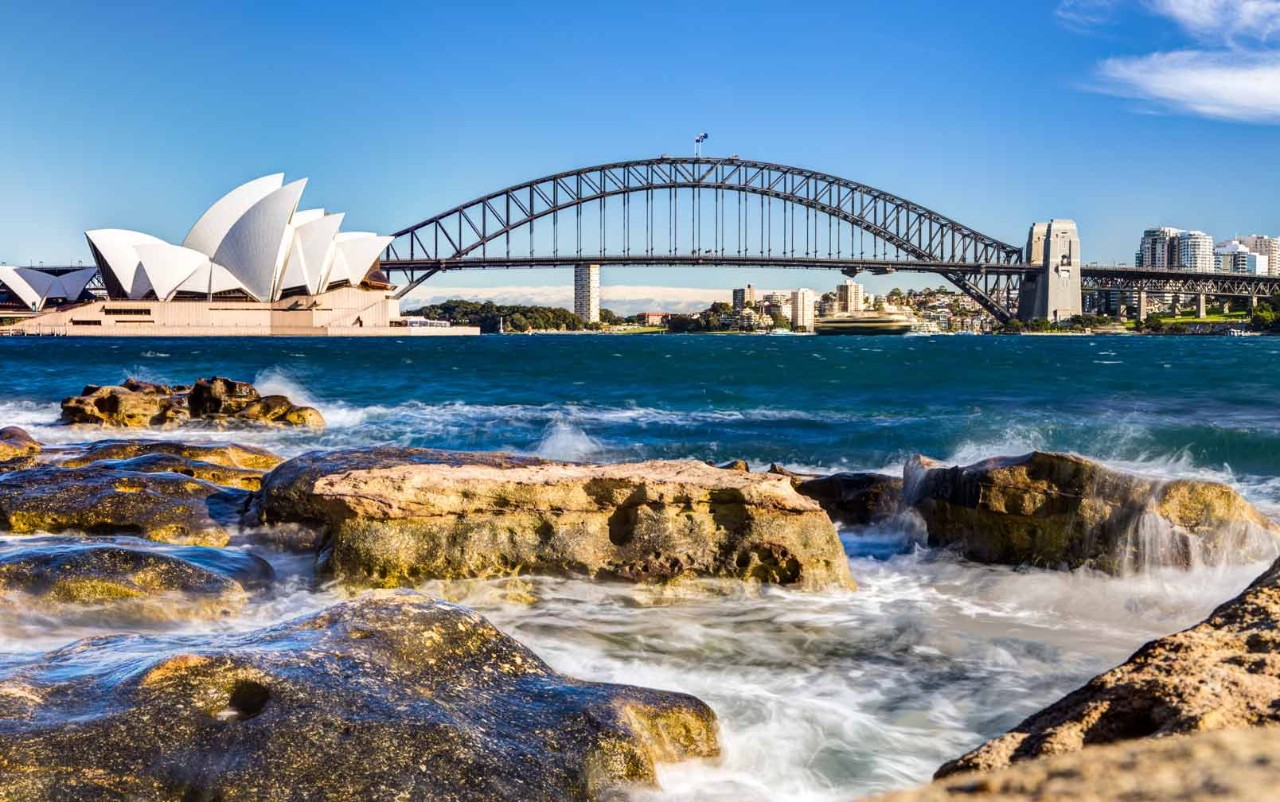
- Sydney Opera House and Harbour Bridge: Explore one of the world’s most iconic performing arts venues and take in panoramic views of Sydney Harbour or challenge yourself with a BridgeClimb for an unforgettable perspective of the city.
- Blue Mountains, New South Wales: Hike through eucalyptus forests, visit dramatic lookouts like Echo Point and ride the Scenic Railway (the steepest passenger railway in the world).
- Great Barrier Reef, Queensland: Dive or snorkel in the world’s largest coral reef system, home to thousands of marine species and vibrant coral formations just off the coast of Cairns and Port Douglas.
- Whitsunday Islands, Queensland: Sail through this stunning archipelago, relax on white-sand beaches like Whitehaven Beach and enjoy world-class snorkeling and diving in crystal-clear waters.
- Fraser Island (K’gari), Queensland: Explore the world’s largest sand island, featuring freshwater lakes, dense rainforests growing in sand and dingoes roaming in their natural habitat.
- Uluru (Ayers Rock), Northern Territory: Visit this sacred red sandstone monolith in the heart of the Outback, best seen at sunrise or sunset when it glows in dramatic hues. Cultural tours led by Aboriginal guides offer deep insight into traditional knowledge and Dreamtime stories.
- Kakadu National Park, Northern Territory: Discover a UNESCO World Heritage site teeming with wildlife, Aboriginal rock art that dates back tens of thousands of years and vast wetlands best explored by boat cruise or guided walk.
- Melbourne’s laneways and street art: Wander through the city’s hidden alleys filled with vibrant murals, boutique cafes and live music venues that showcase Melbourne’s creative spirit.
- Great Ocean Road, Victoria: Drive along this scenic coastal route to see the dramatic limestone stacks of the Twelve Apostles, lush rainforest trails and charming seaside towns like Lorne and Apollo Bay.
- Tasmanian wilderness: Journey to Australia’s island state to experience rugged national parks like Cradle Mountain-Lake St. Clair, spot unique wildlife such as the Tasmanian devil and enjoy farm-to-table cuisine in the charming capital, Hobart.
Best times to visit
Australia's seasons are opposite to the Northern Hemisphere, with summer running from December to February and winter from June to August. The best time to visit depends on your destination and planned activities.
Summer (December – February) brings hot temperatures and is bushfire season, particularly affecting southeastern regions. However, it's ideal for beach activities and water sports along the coast.
Autumn (March – May) offers pleasant temperatures across most of the country and is considered one of the best times to visit, with fewer crowds and comfortable weather for outdoor activities.
Winter (June – August) provides mild temperatures in northern regions and is perfect for exploring the Outback and tropical areas like Queensland and the Northern Territory.
Spring (September – November) features warming temperatures and blooming wildflowers, making it excellent for hiking and outdoor exploration before the intense summer heat arrives.
Frequently asked questions about traveling to Australia
While travel insurance isn't legally required for U.S. citizens visiting Australia, it's highly recommended given the potential costs of medical treatment and the country's susceptibility to natural disasters. Australia's medical system, while excellent, can be expensive for uninsured international visitors. Emergency medical evacuation from remote areas or during natural disasters can cost tens of thousands of dollars without proper coverage.
UnitedHealthcare Global offers plans designed to help cover these expenses, including emergency medical care, evacuation and other travel-related protections. With options like SafeTrip’s International Travel Medical Plus and International Travel Medical plans, you can choose the level of coverage that matches your itinerary and activities.
U.S. citizens must have a valid passport and appropriate visa to enter Australia. Most visitors require an Electronic Travel Authorization (ETA) or eVisitor visa, which should be obtained before departure. Travelers over 75 may need to undergo a health examination.
For the most up-to-date information on Australia entry requirements, visit the U.S. Department of State and the U.S. Embassy and Consulates in Australia for details.
Australia generally requires few vaccinations for most travelers. However, if arriving from a country with yellow fever transmission risk, you must present a yellow fever vaccination certificate.
For recommended and required vaccinations as well as preventive treatment for travel to Australia, visit the U.S. Centers for Disease Control and Prevention.
All international travelers to Australia must have a valid visa or travel authorization before arrival. There are no visa-free entries for foreign nationals. Most visitors apply for an electronic visa or travel authorization well in advance of their trip.
- The most common option for tourists and short-term visitors is the Visitor Visa (Subclass 600), which allows stays of up to 3, 6 or 12 months depending on the applicant’s country of origin and purpose of travel.
- Citizens of certain countries, including the U.S., Canada and most European nations, may also be eligible for the Electronic Travel Authority (ETA) (Subclass 601) or eVisitor (Subclass 651), both of which are simpler, low-cost options for short tourism or business trips.
- All visas require a valid passport with at least 6 months of validity beyond the intended departure date from Australia.
- Travelers must also demonstrate proof of onward or return travel and sufficient funds to support themselves during their stay.
- Upon arrival, visitors may be subject to immigration and biosecurity checks, including questioning by officials and screening of luggage.
- It’s important to note that visa approval does not guarantee entry. Australian border officers have the authority to deny entry if a traveler does not meet health, character or compliance requirements.
- Health insurance is not mandatory for visa issuance, but given the high cost of medical care, having travel insurance for Australia that covers unexpected illness or injury is strongly recommended.
Always verify your visa conditions, including work restrictions and length of stay, through the official Australian Department of Home Affairs website before traveling.
Australia has strict biosecurity and customs regulations designed to protect its unique environment, agriculture and public health.
- All travelers must complete an Incoming Passenger Card declaring any food, plant material, animal products or organic items they are carrying. Failure to declare prohibited items can result in on-the-spot fines or prosecution.
- Common restricted items include fresh fruits, vegetables, meat, dairy products, seeds, wooden crafts and camping gear that may carry soil or pests.
- When importing goods, be aware that Australia enforces stringent quarantine controls. Even items purchased duty-free abroad such as meat or fruit must be declared and may be confiscated upon arrival.
- Medications for personal use are generally permitted, but travelers should carry them in original packaging with a prescription or doctor’s note, especially for controlled substances.
- For items like firearms, protected wildlife products or commercial goods, special permits are required.
Exporting items from Australia is also regulated.
- The removal of Aboriginal cultural artifacts, protected natural specimens (such as shells, coral or plant cuttings) and native animal products (including some reptile skins) is either prohibited or requires official documentation.
- If you’re purchasing souvenirs like didgeridoos, boomerangs or marine-based crafts, ensure they come from legal, sustainable sources and are certified for export.
Staying informed about these rules can help prevent delays, penalties and unintended harm to Australia’s delicate ecosystems. For more information, see the Australian Border Force website.
Australia travel tips and safety information
Emergency contact numbers and local assistance
In any emergency throughout Australia:
- Fire, police or ambulance services: 000
- From mobile phones, you can also dial: 112
These services operate 24 hours daily with high-quality response capabilities, though response times to remote areas may vary.
Australia maintains excellent emergency medical services with well-equipped ambulances and trained personnel capable of providing advanced life support.
Air ambulance services provide reliable coverage to remote areas, which is particularly important given the country's vast wilderness regions.
Australia local laws and customs
Travelers to Australia should be aware of local laws and cultural norms to ensure a smooth and respectful visit.
- Australia follows a strict legal system and even minor infractions can result in fines or more serious consequences
- Drug offenses, including possession of illegal substances, are taken very seriously and can lead to imprisonment, regardless of the quantity involved
- Laws around alcohol consumption also vary by region — public drinking is prohibited in many cities and towns and police have the authority to confiscate alcohol in designated dry zones
- When it comes to customs, Australians value politeness, fairness and a laid-back attitude
- While the culture is generally informal, showing respect to others, especially Aboriginal and Torres Strait Islander communities is important
- Always seek permission before photographing Indigenous people or sacred sites and be mindful that some areas may be culturally restricted
- Tipping is not mandatory, but leaving a small tip for good service in restaurants or tours is appreciated
- Additionally, environmental protection is a national priority. Australia has strict biosecurity laws to protect its unique ecosystems. Be sure to declare all food, plant materials and outdoor gear upon arrival to avoid penalties
- Smoking is banned in enclosed public spaces, on public transport and in many outdoor areas, including near playgrounds and building entrances
Understanding and respecting these laws and customs not only helps you avoid trouble but also enhances your experience in this diverse and welcoming country.
Health risks and medical facilities
Australia offers a generally healthy environment for visitors, with safe food, clean tap water and low risk of infectious disease. The main health concerns stem from environmental factors rather than illness. Extreme heat is a particular risk in desert and Outback regions, where unprepared travelers can suffer from dehydration, sunburn or heatstroke. Australia also experiences some of the world’s highest UV radiation levels, making sun protection essential year-round.
For those taking part in water-based activities, marine hazards must be taken seriously. Box jellyfish and irukandji stings are a danger in northern waters. Rip currents are a constant threat at beaches, with a risk of possible drowning even with lifeguards present, and coral reefs can cause cuts that may become infected. Shark encounters are rare but possible, and swimmers, divers and surfers are advised to follow all posted safety guidelines and local advice.
Medical facilities in Australia are generally of high quality, especially in major cities such as Sydney, Melbourne and Brisbane, where hospitals and clinics provide excellent care. However, access becomes more limited in remote or rural areas like the Red Centre, Western Australia’s Kimberley region or Tasmania’s wilderness.
In these areas, patients may need to be airlifted to larger hospitals for advanced treatment. Emergency medical evacuation and air ambulance services can be extremely costly, which is why travel insurance is vital for those venturing beyond urban centers.
Overall, while health risks in Australia are relatively low, travelers should remain mindful of environmental hazards, respect local safety guidelines and ensure they have coverage that includes emergency medical evacuation from remote regions.
Staying safe in urban and rural areas
Urban areas in Australia are generally very safe, with low violent crime rates. However, petty theft and tourist-targeted scams occur in popular areas, transit hubs and hotels. Remain aware of your surroundings and secure valuables, particularly in crowded areas.
Rural and remote area travel requires careful preparation due to vast distances, extreme conditions and limited services. Always inform someone of your travel plans, carry extra food, water and fuel, and make sure your vehicle is roadworthy with GPS and spare tires. Check weather conditions and road status before departing and avoid traveling during extreme heat.
Bushfire risk is highest during summer months — travelers should monitor local warnings and be prepared to evacuate if necessary. Flooding can occur during the rainy season, particularly in inland areas of New South Wales, Queensland, Western Australia and Victoria.
Additional tips for traveling to Australia
Australia's vast size means domestic flights are often necessary to cover significant distances efficiently. International and domestic airports meet high safety standards and flight operators maintain excellent safety records with well-maintained aircraft.
When driving, remember that speed limits are strictly enforced through cameras and police patrols. Drunk driving checks are frequent and penalties for driving under the influence are severe. Always wear seat belts and be prepared for random breathalyzer testing.
The country's maritime areas include several Traffic Separation Schemes requiring vessels to follow specific rules. Travel may be restricted in environmentally sensitive areas like the Great Barrier Reef, Torres Strait and Coral Sea.
Australia's extreme weather patterns mean conditions can change rapidly. Bushfires, heatwaves, flooding and cyclones occur regularly throughout different regions and seasons. Stay informed about current conditions and follow all official warnings and evacuation orders.
Choose SafeTrip for your Australia travel insurance
An adventure to Australia is an experience of a lifetime. To make the most of every moment, from the vibrant city laneways to the serene outback, you need the assurance that comes with dependable support. Choosing SafeTrip for your travel insurance for Australia means you are backed by the global experience and resources of UnitedHealthcare Global.
A key benefit across all our plans is access to our 24/7 support services. Whether you face a medical emergency or a travel disruption, our dedicated team is ready to provide immediate assistance.
We understand that every trip is different. That’s why we offer a choice of plans, allowing you to select the level of cover that best suits your itinerary and priorities. Whether you need the comprehensive medical and travel benefits of our International Travel Medical Plus plan or the robust emergency medical protection of our International Travel Medical plan, SafeTrip has a solution for you.
Protect your health and your travel investment. Get a quote today and travel with added confidence, knowing that SafeTrip is there to support you throughout your Australian journey.
 Share
Share



Get a travel insurance quote
Your itinerary is fully planned and all you need is your travel insurance? Get started with your quote here.