How your sleeping position may affect your health
How your sleep position may impact your health
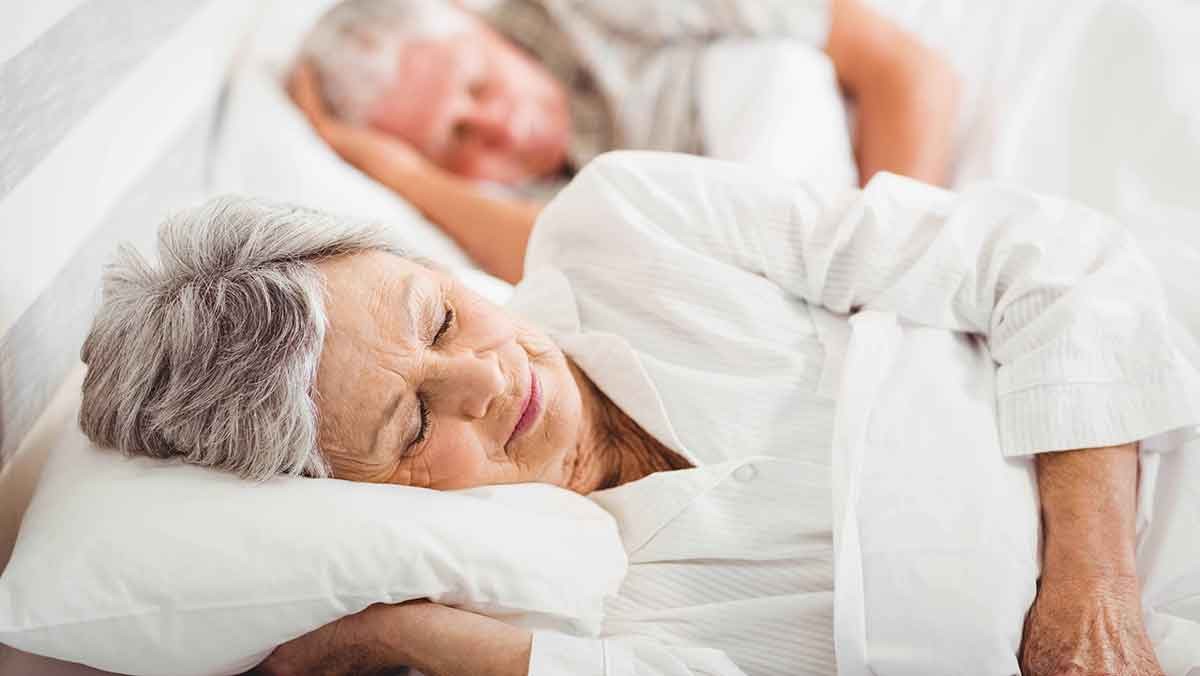
Quality sleep does more than just recharge your batteries — it’s essential for the health of both your body and mind. Missing out on rest can leave you dragging through the day, unfocused and less productive. Being tired can make work, exercise and even relationships feel like an uphill battle.1
The secret to better, more refreshing sleep could lie in how you position yourself at night. Choosing a sleep posture that aligns your head, shoulders and hips can help your body fully relax, giving you a deeper, more restorative rest. Try sleeping in a way that supports the natural curve of your back and neck. Stretch before bedtime to ease muscle tension.2
Learn how different sleep positions can affect your health. Get tips to help you find the right position for a better night's sleep.
Side sleep
Sleeping on your side helps keep your airway open and can help you snore less.3
To get the best results, try to switch sides sometimes to avoid putting too much pressure on one hip. And remember — not tucking your chin helps prevent neck aches.2
Side sleepers may benefit from having a pillow between their legs. This can help align your spine, pelvis and hips. Without an extra pillow, sleeping on your side can pull on your hip and may cause some pain.4
Back sleep
Sleeping on your back puts the least amount of pressure on your spine. If you’re a back sleeper, your pillow should help align your neck with your chest and back. Putting a small pillow under your knees can also help take the pressure off your low back.4
Fetal position
Curled up on your side with your knees drawn in, the fetal position is a favorite for many adults. It can help keep your back straight and may reduce snoring. For those who are pregnant or dealing with back pain, it’s often a comfortable choice. But if you curl up too tightly, you might feel stiff or have trouble taking deep breaths.5
Stomach sleep
Stomach sleeping is the most challenging position for your back, but if it’s your go-to, there are ways to make it work. Placing pillows under your hips and lower belly can help reduce back strain so you wake up with less discomfort.3
What are the best sleep positions for certain health conditions?
Picking the right way to sleep can help you feel better, especially if you have pain. Some sleep positions give your body better support and can help you wake up with less soreness. Try different sleeping positions to see which one helps you feel your best.
How to sleep if your back hurts
The best sleep positions for back pain are on your side or back:2
- Side sleepers: place a pillow between your knees or try a full-body pillow
- Back sleepers: add a pillow under your knees for extra support
- Stomach sleeping: this is the toughest on your back — try to avoid it when possible
For sciatica pain:6
- Side sleeping can help take pressure off your sciatic nerve
- Back sleeping helps spine alignment
- Sleeping on your back, with the top half of your body slightly elevated with a pillow, may help
Best sleeping positions for hip pain
The best way to sleep for hip pain is on the side of the body that isn’t painful or on your back:7
- Side sleepers: slide a pillow between your legs to support your hip
- Back sleepers: try a pillow or rolled-up blanket under your knees and the small of your back for added comfort
Best way to sleep for knee pain
The best sleep positions for knee pain are on your back or side:7
- On your back? Pillows under your knees can make a big difference.
- On your side? Place a pillow between your knees for relief.
How to sleep for neck pain
The best sleep positions for neck pain are side sleeping and back sleeping:8
- Side sleepers: choose a pillow that keeps your head level with your body
- To prevent pain, keep your head and neck aligned
- Too many pillows can cause neck strain — find the right balance
- Back sleepers: a small pillow under your neck and one beneath your knees can enhance comfort
- Stomach sleeping tends to strain your neck the most
How to sleep for shoulder pain
The best sleep positions for shoulder pain are on your back or side:2
- Back sleepers: rest your arm on a folded blanket for shoulder support
- Side sleepers: sleep on your “good shoulder” for less pain
Best sleeping position for sleep apnea
If you have sleep apnea, sleeping on your side is often best. For some, symptoms only appear when lying on their back. Switching to your side can make breathing easier and improve your sleep.9
Positional therapy uses special devices to help people stay asleep on their side. One device goes around your waist or back. Another is a small device on the back of your neck that gently vibrates if you roll onto your back. The vibration helps you turn back to your side without waking you up. Positional therapy can be used alone or with other treatments for sleep apnea.9
Which side should you sleep on during pregnancy?
Sleeping on your side is good when you are pregnant, especially in the last months. It is best to sleep on your left side because it helps keep pressure off your organs and helps blood flow.3
 Share
Share

