Mexico international health insurance and visa guide
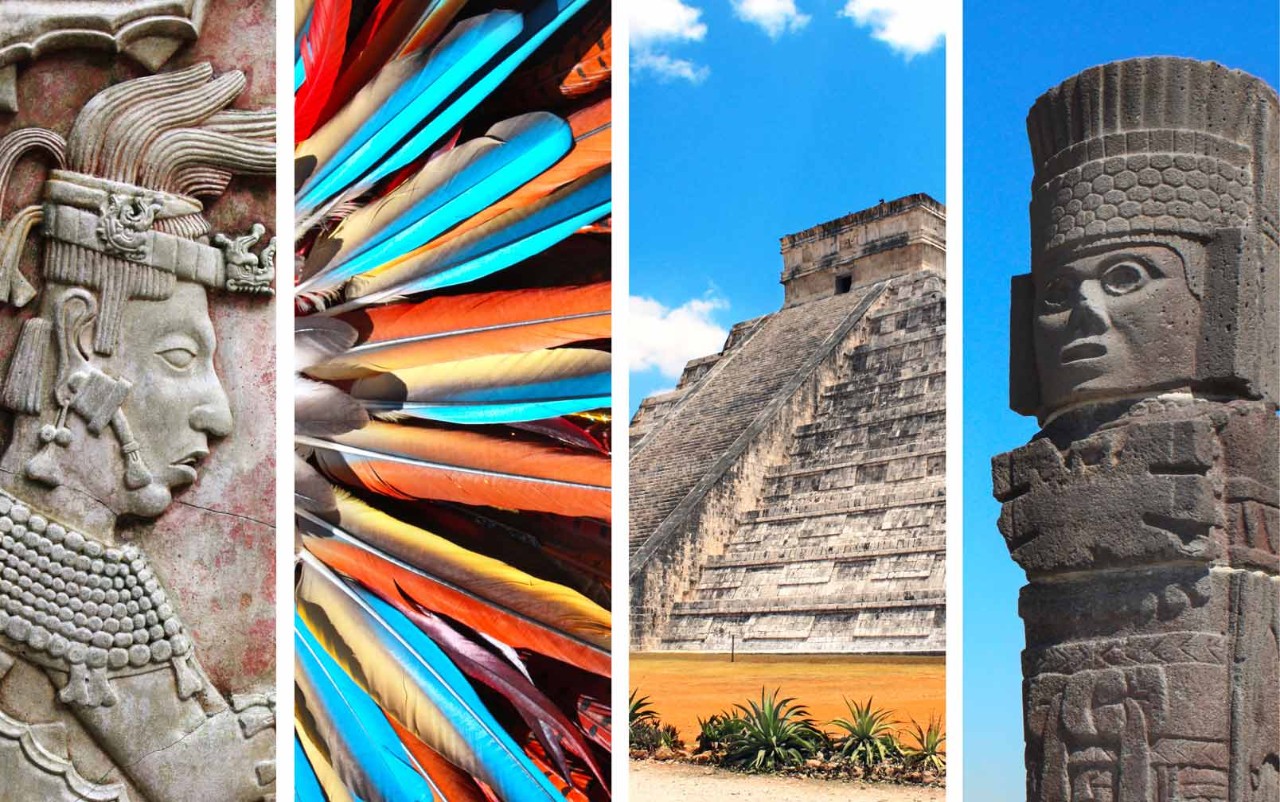
Planning a trip to Mexico? Don’t forget to arrange Mexico travel insurance — it’s a smart way to protect yourself while enjoying everything this vibrant country has to offer. Whether you're a frequent visitor or discovering Mexico for the first time, now is the perfect time to start packing. Known for its sunny beaches and winter escapes, Mexico also delivers unforgettable experiences like world-class dining, bustling cities, rich cultural heritage and fascinating Mayan archaeological sites.
UnitedHealthcare Global SafeTrip travel insurance and travel medical insurance provide tailored protection for travelers heading to Mexico, giving you added confidence throughout your journey.
Travel protection for Mexico
Mexico offers a rich tapestry of experiences, from vibrant cultural celebrations to stunning natural landscapes. However, unexpected events can occur during any trip, making travel insurance for Mexico an essential component of your travel preparations.
Why you need travel insurance for Mexico
Traveling to Mexico offers incredible experiences, but unexpected events can disrupt your plans, making travel health insurance vital for your trip.
- Medical coverage: Mexico's health care system varies in quality and accessibility. While major cities offer excellent private hospitals, costs can be substantial without insurance. Private facilities often expect payment upfront before providing treatment.
- Emergency medical evacuation: If you experience a serious medical emergency in a remote area, evacuation to a major city or even back to the U.S. might be necessary, which can be extremely costly without proper coverage.
- Trip cancellations and interruptions: Unexpected events may force you to cancel or cut short your trip. The right travel health protection can reimburse you for non-refundable expenses.
- Protection against theft and loss: While Mexico is generally safe for tourists, petty theft can occur in busy tourist areas. Travel health insurance can help cover the cost of replacing stolen or lost items.
- Travel delays: Flight cancellations, transportation strikes or severe weather can disrupt your carefully planned itinerary. Travel health protection can cover additional accommodation and transportation costs.
All plans include 24/7 support from the Emergency Response Center (ERC) so you can know there is help a phone call away.
What to consider when choosing the right travel health insurance plan
When selecting travel health insurance for Mexico, consider several key factors to help you have appropriate coverage for your specific needs.
First, evaluate your trip details, including duration, destinations within Mexico and planned activities — adventure sports like diving in Cozumel or hiking in Copper Canyon may require additional coverage.
Next, assess coverage limits, particularly for medical expenses, as private health care in Mexico can be costly for foreigners. If you're visiting remote areas like small towns in Oaxaca or Chiapas, ensure your plan includes emergency medical evacuation coverage, which can transport you to adequate medical facilities in major cities like Mexico City or Guadalajara.
Additionally, review the plan's trip cancellation and interruption coverage, especially if you've made significant non-refundable bookings at popular resorts in Cancun or Los Cabos. Above all, choose a plan that offers 24/7 support services with Spanish-speaking representatives who can help navigate Mexico's health care system during emergencies.
SafeTrip travel health insurance plans
UnitedHealthcare Global SafeTrip offers specialized travel health insurance plans designed to meet the diverse needs of travelers heading to Mexico.
International Travel Medical Plus
The International Travel Medical Plus plan provides robust coverage for those seeking the right protection during their Mexican adventure. This plan includes substantial medical coverage limits, emergency medical evacuation, trip cancellation/interruption protection and 24/7 assistance services. Whether you're snorkeling in the crystal-clear waters of Cozumel, exploring the ancient ruins of Chichen Itza or sampling street food in Mexico City, this plan has you covered for a variety of situations that could arise during your journey.
International Travel Medical
For travelers primarily concerned with health coverage, the International Travel Medical plan offers robust medical benefits, including emergency medical evacuation and medical referrals. It's an excellent option if your main concern is having medical security while traveling through Mexico, especially in areas where health care facilities might vary in quality. This plan provides added confidence when facing potential health risks such as altitude sickness in Mexico City or unexpected illnesses in more remote destinations.
Each UnitedHealthcare Global SafeTrip plan is designed to give you the protection you need, allowing you to immerse yourself in Mexico's vibrant culture and stunning landscapes with less worry. From covering medical emergencies to providing assistance with lost luggage, SafeTrip allows you to focus on creating unforgettable memories during your Mexican adventure.
Traveling to Mexico
Mexico offers a diverse range of experiences for travelers, from sun-soaked beaches and ancient ruins to vibrant cities and colorful cultural traditions.
Places to go and things to do
Mexico's diverse landscape offers countless opportunities for exploration and adventure:
- Mexico City: Explore the historic Zocalo, visit world-class museums like the National Museum of Anthropology and experience the vibrant food scene.
- Cancun and Riviera Maya: Relax on pristine beaches, swim in cenotes (natural sinkholes) and explore the nearby Mayan ruins of Tulum.
- Oaxaca: Discover indigenous cultures, sample traditional cuisine including mole and browse colorful markets filled with handcrafted goods.
- Puerto Vallarta: Enjoy beautiful beaches, stroll along the picturesque Malecon boardwalk and take a boat trip to spot humpback whales during migration season.
- San Miguel de Allende: Wander through this colonial gem's cobblestone streets, admire the neo-Gothic Parroquia and visit art galleries showcasing local talent.
- Guanajuato: Explore this UNESCO World Heritage city with its subterranean streets, colorful buildings and rich mining history.
- Los Cabos: Experience world-class resorts, golf courses and sport fishing at the tip of the Baja California Peninsula.
- Chichen Itza: Marvel at one of the New Seven Wonders of the World and learn about ancient Mayan civilization.
- Merida: Experience the cultural capital of the Yucatan Peninsula with its Spanish colonial architecture, vibrant markets and nearby Mayan archaeological sites.
Best times to visit
Mexico's climate varies by region, making it a year-round destination depending on where you plan to visit.
For the Yucatan Peninsula (including Cancun, Riviera Maya and Merida), the best time to visit is during the dry season from November to April when temperatures are pleasant and rainfall is minimal. December through April offers ideal beach weather with lower humidity.
Central Mexico (Mexico City, San Miguel de Allende and Guanajuato) enjoys a temperate climate year-round due to its elevation. Spring (March to May) offers warm days and cool nights with jacaranda trees in bloom, while the rainy season (June to October) typically brings afternoon showers that clear quickly.
The Pacific Coast (Puerto Vallarta, Los Cabos) is best visited from November to April during the dry season when temperatures are comfortable and skies are clear. This period also coincides with whale watching season. May to October brings higher temperatures and humidity, with occasional tropical storms.
To avoid crowds, consider traveling during shoulder seasons (May – June or September – October) when you can still enjoy favorable weather while experiencing fewer tourists and lower prices. For cultural experiences, plan your trip around celebrations like Day of the Dead (early November) or Holy Week (March – April).
Remember that having travel health insurance in Mexico is crucial regardless of when you visit, as it provides protection for unexpected medical issues, trip disruptions and other emergencies that can arise during your journey.
Frequently asked questions about traveling to Mexico
Planning a trip to Mexico raises several common questions about health insurance, documentation and safety. Here are answers to some frequently asked questions.
While Mexico doesn't legally require U.S. citizens to have travel health insurance, it's strongly recommended. Mexican private hospitals often require upfront payment before providing treatment, which can be costly without insurance. Additionally, your U.S. health insurance plan may offer limited or no coverage abroad, leaving you financially vulnerable in case of medical emergencies.
Most U.S. health insurance plans offer limited or no coverage outside the U.S. While some private insurance companies may provide emergency coverage abroad, it's typically insufficient for serious medical issues. Even if your domestic plan offers some international coverage, it usually won't cover emergency medical evacuation, which can cost tens of thousands of dollars. Travel health insurance fills these gaps, providing more complete protection during your Mexican vacation.
All foreign visitors need a valid passport to enter Mexico. The majority of travelers that stay under 180 days for tourism or business will need to complete a Tourist Card or Forma Migratoria Múltiple upon arrival. This form is typically provided by airlines or available at border crossing points. Keep the stamped portion of this form safe, as you'll need to surrender it when leaving Mexico. Visitors driving into Mexico need to obtain a temporary import permit for their vehicle.
For the most up-to-date information on Mexico entry requirements, visit the U.S. Department of State and the Embassy of Mexico for details.
There are no mandatory vaccinations required traveling to Mexico. However, the U.S. Centers for Disease Control and Prevention (CDC) recommends being up-to-date on routine vaccinations including measles, mumps, rubella (MMR), diphtheria, tetanus, pertussis, varicella, polio and your yearly flu shot. Depending on your activities, the CDC may also recommend hepatitis A, hepatitis B and typhoid vaccines.
For recommended and required vaccinations as well as preventative treatment for travel to Mexico, visit the CDC.
The cost of travel insurance in Mexico depends on factors like your age, trip length, coverage level and the type of plan selected. Basic plans are typically affordable, while more robust coverage with higher limits will increase the price. Policies that include adventure activities or cater to older travelers often come at a higher cost. Comparing options can help you get tailored coverage for your needs and budget.
Health care quality in Mexico varies significantly depending on location and facility type. Major cities like Mexico City, Guadalajara and Monterrey offer excellent private hospitals with internationally trained doctors, modern equipment and high standards of care comparable to U.S. facilities. Tourist destinations like Cancun, Puerto Vallarta and Los Cabos also have good private hospitals catering to international visitors.
However, health care in rural areas can be limited, with facilities often lacking advanced medical equipment and specialized care. Public hospitals, while more affordable, typically have longer wait times and fewer English-speaking staff compared to private facilities. For serious medical issues, evacuation to a major city or the U.S. may be necessary, highlighting the importance of having travel health insurance with emergency medical evacuation coverage.
Mexico has specific regulations about what items you can bring into and out of the country. Travelers can import personal items duty-free, including clothing, personal hygiene products and electronic devices for personal use. However, there are restrictions on bringing in food items, plants and medications.
When entering Mexico, you must declare if you're carrying more than $10,000 USD in cash or its equivalent. For medications, bring only what you need for personal use in original, labeled containers, along with a copy of your prescription or doctor's letter, especially for controlled substances.
When leaving Mexico, art and antiques may require permits from the National Institute of Anthropology and History. Items made from protected species (including coral, turtle shell or certain woods) may be illegal to export and could result in fines or confiscation.
To enter the Quintana Roo state, which includes popular destinations like Cancun and Tulum, travelers must pay a Visitax tourist tax. This can be paid online before travel or during your stay. The fee is approximately $11 USD per person.
Mexico's departure tax is typically included in your airline ticket price if you're traveling by air. However, it's always good to verify this with your airline before travel.
Mexico travel tips and safety information
Stay safe and make the most of your trip with these essential Mexico travel tips and safety insights.
Emergency contact numbers and local assistance
Emergency numbers to be dialed locally:
- Ambulance and medical emergency services: 911
- Fire: 911
- Police: 911
In major cities, reliable ambulance services are operated by private hospitals. If private ambulance services cannot be arranged, travelers are advised to use private transportation or take a taxi to the hospital. The public ambulance service (Cruz Roja — Red Cross) is not recommended as it can be unreliable and its ambulances may not be suitably equipped.
Mexico local laws and customs
Understanding and respecting local laws and customs will enhance your experience in Mexico:
- Smoking, including vaping, is banned in all public places in Mexico, including beaches, parks, hotels and restaurants. You could be fined or arrested for smoking in a public area.
- Same-sex relationships are legal but acceptance varies by region. Urban areas like Mexico City and Guadalajara are generally more accepting than rural areas.
- Foreigners are prohibited from participating in political demonstrations, even unintentionally. Violating this rule could result in a fine or imprisonment.
- Using a cellphone while driving is illegal in Mexico and can result in fines.
- In formal settings, use titles such as señor, señora or señorita when addressing someone out of respect.
- Mexicans value personal relationships in business settings. Expect some small talk before discussing business matters.
- In rural areas, it's respectful to dress modestly, particularly when visiting religious sites.
Health risks and medical facilities
Travelers to Mexico should be aware of several health risks. Tap water is unsafe to drink throughout the country, and travelers' diarrhea affects many visitors. Use bottled water for drinking and brushing teeth and avoid ice unless made from purified water.
Insect-borne diseases pose another risk. Dengue fever, Zika virus and in some regions, malaria can occur. Use insect repellent, wear long-sleeved clothing and consider sleeping under mosquito nets in high-risk areas.
The quality of medical facilities varies significantly. Major cities like Mexico City, Guadalajara and Monterrey offer excellent private hospitals with internationally trained doctors and modern equipment. Tourist destinations like Cancun and Los Cabos have medical facilities catering to travelers, although costs can be higher than in non-tourist areas.
Outside major cities, the quality of medical care is inconsistent. Serious medical problems may require evacuation to a major city or the U.S. Most travelers are recommended to seek care in select private facilities.
For blood transfusions, be aware that blood supplies in Mexico are usually very low as only a small percentage of the population donates blood. Hospitals often request that family members donate blood for patients.
Diseases and health risks
Beyond drinking water concerns and insect-borne diseases, travelers should also be aware of foodborne illnesses. Eat thoroughly cooked food served hot, avoid raw seafood and peel fruits yourself rather than buying pre-cut portions.
In Mexico City and other high-altitude destinations, altitude sickness can affect visitors, causing headaches, shortness of breath and fatigue. Allow time to acclimate, stay hydrated and avoid strenuous activity initially.
UV exposure should be considered too, particularly in coastal areas and at high altitudes where sunlight is intense. Use strong sunscreen, wear protective clothing and limit sun exposure during peak hours.
The hurricane season runs from June to November, affecting both Pacific and Atlantic coasts. These storms can disrupt travel plans and limit access to medical care in affected areas.
Staying safe in urban and rural areas
In urban areas, take standard precautions against petty theft. Avoid displaying valuable items, use hotel safes and keep a copy of important documents separate from originals. Use ATMs inside banks during daylight hours and be cautious with credit cards to prevent skimming.
When traveling in rural areas, stick to established tourist routes and avoid isolated roads, particularly after dark. If driving, use toll roads (cuotas) where possible as they're generally safer and better maintained than free roads.
In resort areas, be aware that ocean currents can be dangerous. Observe warning flags on beaches and only swim in designated areas. The Pacific coast, in particular, can have strong undertows.
Additional tips for traveling to Mexico
- Learn basic Spanish phrases to enhance your experience and show respect for local culture
- Mexico has a significant police presence in tourist areas — officers may carry large weapons but are there to ensure safety
- Carry small denominations of pesos for tips, street vendors and small purchases where credit cards aren't accepted
- Expect to bargain at markets but do so respectfully — the initial price is often flexible
- Mexico's electrical outlets use Type A and B plugs (same as the U.S.) with 127V supply, so most North American appliances work without adapters
- Mexican time can be flexible — social gatherings often start later than the stated time
- Keep a paper copy of your passport and FMM form separate from the originals in case of loss or theft
- Download offline maps and translation apps before your trip for areas with limited connectivity
- Respect archaeological sites by not touching or climbing on ruins unless explicitly permitted
- Consider purchasing a local SIM card for affordable data and calling capabilities during your stay or check with your phone provider to see if Mexico is a country included in your phone plan
Choose SafeTrip for your Mexico travel insurance
When planning your adventure, selecting appropriate travel insurance coverage for Mexico becomes an essential part of your preparation. UnitedHealthcare Global SafeTrip offers tailored protection plans that address the specific needs of travelers visiting this vibrant North American nation, from Mexico City's bustling metropolis to the pristine beaches of the Yucatán Peninsula.
With SafeTrip, you gain access to robust medical coverage that complements Mexico's variable health care system, which can be expensive for international visitors without proper insurance. The 24/7 multilingual support assistance is always available, whether you're navigating a medical concern in Guadalajara or experiencing travel disruptions in remote colonial towns.
Our plans are designed to provide appropriate coverage for various activities throughout Mexico, from archeological explorations to coastal water sports, allowing you to immerse yourself fully in Mexican experiences with added confidence.
Choose SafeTrip travel insurance for your Mexico trip and travel knowing you have appropriate protection backing your Latin American experience.
 Share
Share



Get a travel insurance quote
Your itinerary is fully planned and all you need is your travel insurance? Get started with your quote here.