Peru travel insurance and destination guide
Peru travel insurance and destination guide
Peru, a land of ancient wonders and vibrant culture, offers a unique blend of historical sites, natural beauty and culinary delights. Whether you're exploring the mystical ruins of Machu Picchu, trekking through the Amazon rainforest or savoring the flavors of Lima, securing reliable Peru travel insurance is essential for a worry-free adventure. This guide — along with SafeTrip travel insurance — can help ensure your journey is as safe as it is unforgettable.
Travel protection for Peru
To ensure your journey through Peru is both safe and unforgettable, it's crucial to have the right travel protection or international travel insurance. SafeTrip offers comprehensive travel insurance plans designed to meet the unique needs of adventurous travelers heading to Peru.
Whether you're seeking extensive medical coverage, emergency evacuation or protection against trip cancellations, SafeTrip has a plan that fits your daring spirit. With 24/7 assistance services and coverage for a wide array of activities, from hiking the Inca Trail to exploring the Amazon Rainforest, you can dive into Peru's diverse landscapes and vibrant culture with confidence and excitement.
Why you might need travel insurance in Peru
Traveling to Peru offers incredible experiences, from exploring ancient cities to trekking through breathtaking landscapes. However, unexpected events can disrupt your trip, making travel insurance essential for a journey with fewer worries.
- Medical emergencies: Health care standards can vary, and private hospitals in Peru can be expensive for tourists. Travel medical insurance can help cover medical costs, including hospital stays and emergency evacuations, ensuring you receive the care you need without financial strain.
- Adventure activities: Peru is renowned for its adventurous activities, from hiking the Inca Trail to exploring the Amazon Rainforest. If you're planning to engage in these thrilling experiences, travel insurance can ensure you're covered in case of accidents, paired with 24/7 assistance, to keep you covered as you explore.
- Trip cancellations and delays: Flight delays, cancellations or unexpected disruptions can be costly. Travel insurance can reimburse you for covered non-refundable expenses, allowing you to focus on your journey rather than potential financial setbacks.
- Lost or stolen belongings: Petty theft can occur in busy cities like Lima and Cusco. Travel protection can help recover the cost of lost luggage, passports or valuables, ensuring you can continue your adventure without major inconveniences.
- Natural disasters and weather issues: Peru experiences a variety of weather conditions, including heavy rains and occasional natural disasters, which can impact travel plans. The right travel protection plan can help cover accommodation and rebooking costs if your itinerary is affected, ensuring your trip remains as smooth as possible.
What to consider when choosing the right travel insurance plan
First, evaluate the level of medical coverage, including emergency evacuation, to ensure you are protected in case of unexpected health issues. It's also crucial to look for plans that cover trip cancellation or interruption, providing financial protection if your trip is unexpectedly cut short.
Additionally, opt for plans that offer 24/7 assistance services, which can be invaluable in emergencies. This comprehensive approach will help you enjoy your Peruvian adventure with excitement and added confidence.
SafeTrip travel insurance plans
SafeTrip offers a range of travel insurance plans tailored to meet the diverse needs of travelers heading to Peru.
International Travel Medical Plus
The SafeTrip International Travel Medical Plus plan is perfect for those seeking combination coverage. It includes emergency medical coverage, emergency evacuation, trip cancellation/interruption and 24/7 assistance services. Whether you're exploring the ancient ruins of Machu Picchu, trekking through the lush cloud forests of Manu National Park or navigating the vibrant markets of Cusco, this plan has you covered. It's particularly valuable for adventurous travelers who might engage in activities like hiking the Inca Trail, exploring the Amazon Rainforest or diving in the clear waters of Paracas National Reserve, allowing you to add an extreme sports add-on to your plan, or venturing into remote areas where medical emergencies could be more likely.
International Travel Medical
Ideal for travelers focusing primarily on medical coverage, the International Travel Medical plan provides robust medical benefits, including emergency evacuation and medical referrals. It's a great option if your main concern is financial protection in a medical emergency while traveling through Peru. It offers confidence when facing potential health risks such as altitude sickness in Cusco or unexpected illnesses in remote areas like the Amazon Rainforest or the Andean highlands.
Each of SafeTrip's plans is designed to offer the coverage you need, allowing you to immerse yourself in the beauty and culture of Peru with less stress. From medical emergencies to lost luggage, SafeTrip has you covered, letting you focus on making unforgettable memories. Whether you're planning to explore ancient ruins at Machu Picchu, experience the vibrant street life of Lima or venture into the diverse ecosystems of Manu National Park, SafeTrip has a plan to match your needs.
Choose SafeTrip for your Peru travel insurance and travel with added confidence, knowing you have the best protection at your side, ensuring you can fully embrace your Peruvian adventure in this captivating but sometimes challenging destination.
Traveling to Peru
Peru is a country rich in history and diversity. From the ancient Incan city of Machu Picchu to the highest navigable lake in the world, Lake Titicaca, and the lush Amazon rainforest, Peru has something for every traveler. The country's colonial architecture, vibrant markets, and world-renowned cuisine make it a must-visit destination.
Places to go and things to do
Peru offers a diverse range of experiences. Here are 10 must-visit destinations and activities to explore:1
- Cusco: Explore the former capital of the Inca Empire. Cusco is a city where the past and present blend seamlessly. Visit the Plaza de Armas, the Cathedral and the Sacsayhuamán fortress. Don't miss the vibrant markets and local festivals that showcase the rich Andean culture.
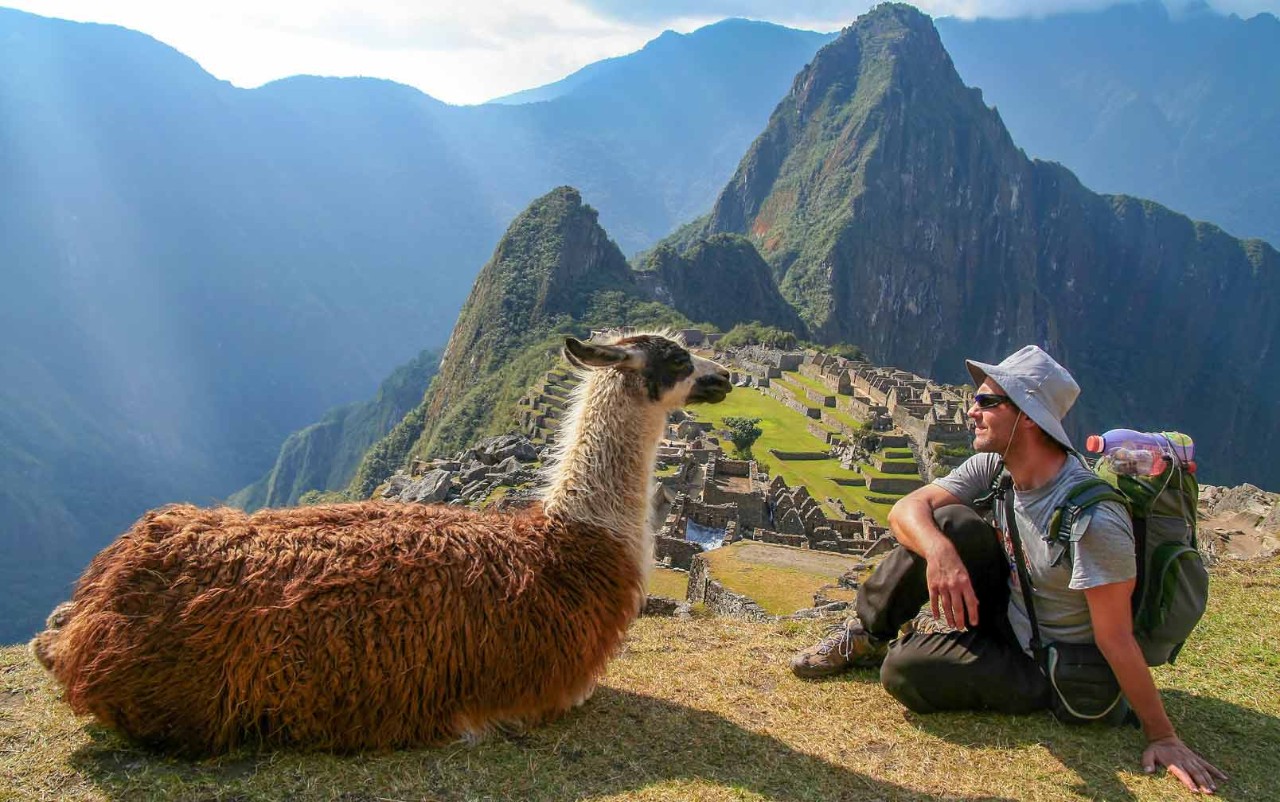
- Machu Picchu: Visit this iconic Inca citadel. One of the most famous archeological sites in the world, Machu Picchu offers breathtaking views and a deep connection to the Inca civilization. Take a guided tour to learn about the history and significance of this ancient city.
- The Sacred Valley: Discover the daily life and history of the Andean people. The Sacred Valley is a region filled with vibrant markets, ancient ruins and traditional villages. Visit the market in Pisac, explore the Ollantaytambo fortress and experience the local way of life.
- Arequipa: Admire the city's beautiful architecture and savor its delicious cuisine. Known as the "White City" due to its white volcanic stone buildings, Arequipa is a UNESCO World Heritage site. Explore the historic center, visit the Santa Catalina Monastery and enjoy the city's renowned cuisine, including dishes like rocoto relleno and adobo.
- Lima: Enjoy the capital's scenic beauty, cultural heritage and world-class dining. Lima is a vibrant city with a rich cultural heritage. Visit the historic center, explore the Larco Museum, and indulge in the city's world-class cuisine, which has earned it the title of the "Gastronomic Capital of the Americas."
- The Inca Trail: Embark on an adventurous trek through Andean valleys and ruins. The Inca Trail is a four-day hike that takes you through stunning Andean landscapes and ancient Inca ruins, culminating at the iconic Machu Picchu. This trek is a once-in-a-lifetime experience that offers a deep connection to the Inca civilization.
- Lake Titicaca: Experience the world's highest navigable lake and its unique island communities. Located in Puno, Lake Titicaca is a must-visit destination. Take a boat tour to the Uros floating islands and the Taquile and Amantani islands, where you can experience traditional island life and learn about the local culture.
- The Amazon Rainforest: Immerse yourself in pristine nature and encounter diverse wildlife. Accessible from cities like Iquitos, the Amazon rainforest offers eco-tourism activities such as jungle treks, wildlife watching and visits to indigenous communities. Immerse yourself in the lush greenery and diverse wildlife of this unique ecosystem.
- Nazca: Uncover the mysteries of the Nazca Lines and explore archaeological sites. The Nazca Lines are a series of ancient geoglyphs etched into the desert floor. Take a flight over the lines to see these mysterious designs from the air. Explore the nearby archeological sites and learn about the Nazca culture.
- Paracas: Explore the coastal beauty and marine life, including the Ballestas Islands. Paracas is a coastal region known for its natural beauty and marine life. Take a boat tour to the Ballestas Islands, where you can see a variety of wildlife, including sea lions, penguins, and pelicans. Enjoy the scenic beaches and the Paracas National Reserve.
Best times to visit
Peru's diverse geography means that the best time to visit varies by region. For the Andean highlands, including Cusco and Machu Picchu, the dry season from May to September is ideal, with clear skies and cooler temperatures, making it perfect for hiking and exploring ancient ruins.
The coastal areas, such as Lima, are best visited from December to April, when the weather is warmer and drier, ideal for beach activities and exploring the city's vibrant culture.
The Amazon Rainforest is best explored from May to October during the dry season, when the risk of flooding and landslides is lower, and wildlife is more visible.
For the southern highlands and Lake Titicaca, the dry season from May to September is also the best time to visit, with pleasant temperatures and fewer chances of rain.
By planning your trip according to these optimal times, you can ensure the best possible experience in each region. Regardless of when you visit, having Peru travel insurance provides more confidence in case of unexpected weather disruptions, medical emergencies or trip cancellations.
Frequently asked questions about traveling to Peru
No. Though Peru doesn't require travel insurance for tourists, it's highly recommended that U.S. citizens consider a travel insurance plan for Peru. In case of an unexpected medical emergency or potential trip disruptions, you want to be as prepared as possible, especially because Peruvian health care and evacuation services may not be as readily accessible as they are in the U.S.
To travel to Peru as a U.S. citizen, you need a passport that is valid for 6 months beyond your intended stay and has one blank page for the entry stamp. A free tourist visa is issued at the port of entry. If you are carrying more than $10,000 USD, you must declare it upon entry and exit. For minors under 18 traveling alone or with one parent, a Permiso Notarial de Viaje is required if the stay exceeds 183 days. Dual U.S.-Peruvian citizen minors traveling alone or with one parent also need a Permiso Notarial de Viaje, and step-parents or guardians must provide a notarized authorization from the non-traveling parent.
For the most up to date information on Peru entry requirements, visit the U.S. Department of State and the Embassy of Peru for details.
For recommended and required vaccinations as well as preventative treatment for travel to Peru, visit the U.S. Centers for Disease Control and Prevention.
No vaccinations are required for travelers entering Peru. However, it is recommended to be up to date on all vaccinations as advised by health authorities. Additionally, stay informed about local health advisories, especially concerning dengue fever, and consider vaccinations against common diseases.
Specialized travel insurance, particularly adventure or extreme sports insurance, is highly recommended and often required by tour operators for trips to Machu Picchu, especially if you plan on trekking the Inca Trail or other high-altitude routes. This is because these treks involve significant altitude, where acute mountain sickness (AMS) can occur, necessitating specialized medical attention and potential evacuation. Trekking trails are often in remote areas with limited access to medical facilities, making emergency evacuation crucial. Additionally, trekking is a strenuous activity, and standard travel insurance may not cover injuries or illnesses resulting from such activities at high altitudes.
Peru travel tips and safety information
Emergency contact numbers and local assistance
Emergency numbers to be dialed locally:
- Ambulance: 116
- Medical services: 117
- Fire: 117
- Police: 105
- Peruvian Tourist Police: 460 1060 or 460 0844
Some of the best hospitals in Peru include Clínica Internacional, Clínica Delgado and Clínica San Felipe in Lima. These facilities are known for their high standards of care and well-trained medical staff. However, the quality of medical care can vary depending on location within Peru — larger cities are known to have better care and facilities than the more rural areas.
Peruvian local laws and customs
- Spanish is the primary language spoken in Peru. In the highlands, most people are bilingual, speaking Quechua or Aymara, in addition to Spanish. There are also 70 other languages in Peru, and in remote parts of the Amazon, Spanish is rarely spoken.
- Conversational space is closer than in other countries.
- Dress codes are relatively informal, especially in the summer when many government officials and other professionals go to work in casual clothes. In winter, jackets and ties for men and skirts for women are more common.
- If service is included in the bill, a small tip is still given, and if service is not included, a tip is expected.
- Homosexuality is legal in Peru. However, same-sex marriage is illegal. Peru is a conservative country and LGBTQ+ travelers may face some discrimination.
Health risks and medical facilities
Peru is a developing country with a majority of the most developed health care facilities and providers concentrated in the capital city of Lima. It is recommended that travelers and foreign visitors seek care in specific private hospitals (“clínicas”) located in Lima and other major cities in the country, including Arequipa. These facilities offer acceptable care, with many doctors trained internationally.
Elsewhere, medical care is often very limited, characterized by uncomfortable hospital accommodations, a general lack of up-to-date equipment and shortages of basic medical supplies. Public hospitals in Peru are not recommended — except in very specific cases, when a specialty institute (“Instituto”) may offer some tertiary care not available elsewhere.
Because the top tourist destinations in Peru are located outside of Lima, travelers should be aware of the scarcity of quality health care services outside of the capital city.
Cusco has many facilities that cater to foreign tourists. While they may appear to provide adequate care for most common and primary care needs, a few of the hospitals will take advantage of tourists by providing unnecessary treatment (e.g., hyperbaric treatment) and will charge high fees for inappropriate care. Overall, health care in Cusco is not as developed as in Lima, and while some hospitals have only a few well-trained specialists, an evacuation to Lima or other destinations is often necessary for complex or acute cases.
Diseases and health risks
Peru has a very diverse environment, ranging from rainforest areas along the Amazon river, high altitude mountains of the Andes and a coastal area along the Pacific Ocean. The major health risks are also diverse depending on the location. Heart attacks, respiratory conditions related to altitude sickness and trauma are major health risks for foreign travelers, but malaria, dengue fever, tuberculosis and leishmaniasis also present risks, particularly in rural areas.
Altitude sickness affects visitors to the Andes region:
- Cusco (11,000 ft/3,350 m)
- Machu Picchu (8,000 ft/2,440 m)
- Puno / Lake Titicaca (13,000 ft/3,960 m)
- Valle de Colca (15,750 ft/4,800 m)
Travelers should observe strict food and drink precautions throughout Peru, although tap water is considered safe in Lima and other major cities. There is a high risk for Travelers’ Diarrhea, especially outside high-end hotels and resorts.
Staying safe in urban and rural areas
Staying safe in both urban and rural areas of Peru involves being aware of your surroundings and taking precautionary measures. In urban areas, such as Lima and Cusco, be cautious of petty theft, pickpocketing and muggings, especially in crowded tourist areas and public transportation. Use reputable taxis or ride-sharing services, and avoid walking alone at night. In rural areas, be mindful of the terrain and weather conditions, and always travel with a guide or in a group, especially when visiting remote or less-traveled regions. It is also advisable to stay informed about local conditions and to respect local customs and traditions. Additionally, keep important documents and valuables secure, and consider using hotel safes.
Additional tips for traveling to Peru
- When traveling in Peru, use only bottled or boiled water for drinking and brushing your teeth to avoid waterborne diseases. Exercise caution with street food and ensure that meals are thoroughly cooked.
- Due to poor road conditions and driving standards, avoid night travel, and use only reputable taxi services arranged by hotels. Avoid public buses where possible, especially overnight, due to the high risk of accidents and crime.
- Be vigilant against petty crime and express kidnappings, especially in urban areas like Lima and Cusco — avoid displaying valuables and be cautious when using ATMs.
Choose SafeTrip for your Peru travel insurance
When it comes to ensuring your health and safety while traveling in Peru, SafeTrip's travel medical insurance stands out as an excellent choice. With Peru travel protection tailored to the unique needs of travelers exploring this diverse Andean nation, SafeTrip provides you with more confidence through benefits such as medical coverage, emergency evacuation and 24/7 assistance services.
SafeTrip plans are designed to cover a wide range of activities, ensuring you can explore Peru's ancient ruins, lush cloud forests, coastal deserts and vibrant cities with less worry. Whether you're navigating the bustling streets of Lima, trekking through the Andes to Machu Picchu or marveling at the ancient sites of the Nazca Lines, SafeTrip has you covered.
Trust SafeTrip to cover you in case of the unexpected, from falling ill to travel disruptions, allowing you to make the most of your Peruvian journey. Choose SafeTrip for your Peru travel medical insurance while traveling to and throughout Peru, so you can immerse yourself fully in the country's rich culture, stunning landscapes and unforgettable experiences, knowing you are protected every step of the way.
 Share
Share



Get a travel insurance quote
Your itinerary is fully planned and all you need is your travel insurance? Get started with your quote here.